


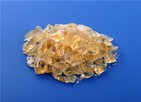

Polyglycolic acid is a synthetic polymer material with good biodegradability and biocompatibility, primarily applied in the fields of biomedicine and ecology. Glycolide is a cyclic dimer of glycolic acid, and the ring-opening polymerization of lactide is a well-established method for producing polyglycolic acid with relatively high molecular weight. Additionally, glycolide can be copolymerized with other monomers to get biodegradable polyesters or functional polymers.

Structure of glycolide
The importance of glycolide purity
The purity of glycolide directly affects the performance of polyglycolic acid. During the synthesis of polyglycolic acid, the product, glycolide, contains many impurities such as water, glycolic acid, and linear oligomers of glycolic acid. These impurities can cause restraining during ring-opening polymerization, which affects the relative molecular weight of the polymer. Based on the purity requirements of the polymerization monomer, glycolide must be purified before it can be used for polymerization.

Purification of Glycolide
There are several methods for purifying glycolide, with the most commonly used being solvent recrystallization. This method separates impurities based on the characteristic that the solubilities of substance varies in the same solvent at different temperatures. Alcohols, ketones, and esters can all be used for the recrystallization of glycolide, with ethyl acetate currently being the primary solvent used in production. However, adding solvents will add extra process during the purification and lead to solvent residues in the final product. Therefore, we use a melting purification method, which not only avoids environmental pollution from solvents but also increases the purity of the product.