



PLGA is a copolymer of LA and GA, a material that inherits the advantages of both, featuring excellent biocompatibility, biodegradability, and good mechanical properties. PLGA has been approved by the U.S. Food and Drug Administration (FDA) and the European Medicines Agency (EMA).
PLGA decomposes in the body into lactic acid (LA) and glycolic acid (GA), which are further metabolized by the human body into carbon dioxide and water. Due to this characteristic, PLGA has become one of the most advanced polymers in modern medical applications. Currently, PLGA is primarily used in the medical field for drug delivery systems, tissue engineering, medical devices, and regenerative medicine.
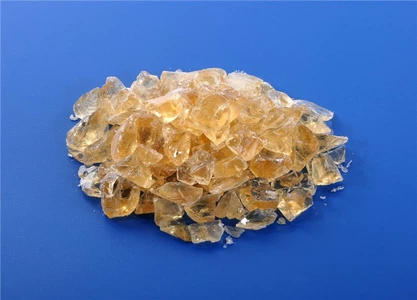
PLGA performance is adjustable
The viscosity of PLGA is closely related to its molecular weight. The glass transition temperature (Tg) range of PLGA copolymers is 45-55 °C. The physicochemical properties of PLGA can be adjusted by changing the relative molecular weight and the ratio of monomer composition. Generally, the higher the content of GA, the faster the degradation of PLGA. This flexible characteristic allows PLGA to be applied in situations that require different degradation rates.
Synthesis method of PLGA
There are two classic methods for synthesizing PLGA: direct condensation and ring-opening polymerization. Although the direct condensation process is cheaper, its application is somewhat limited due to the smaller molecular weight of the PLGA it can produce. In contrast, ring-opening polymerization yields products with higher molecular weights, but when dealing with high molecular weight PLGA, it is necessary to select appropriate metal catalysts and eliminate residual monomers to avoid the material's biotoxicity.